Farmer’s Carry for Men Over 50: Build Total-Body Strength and Grip With One Move
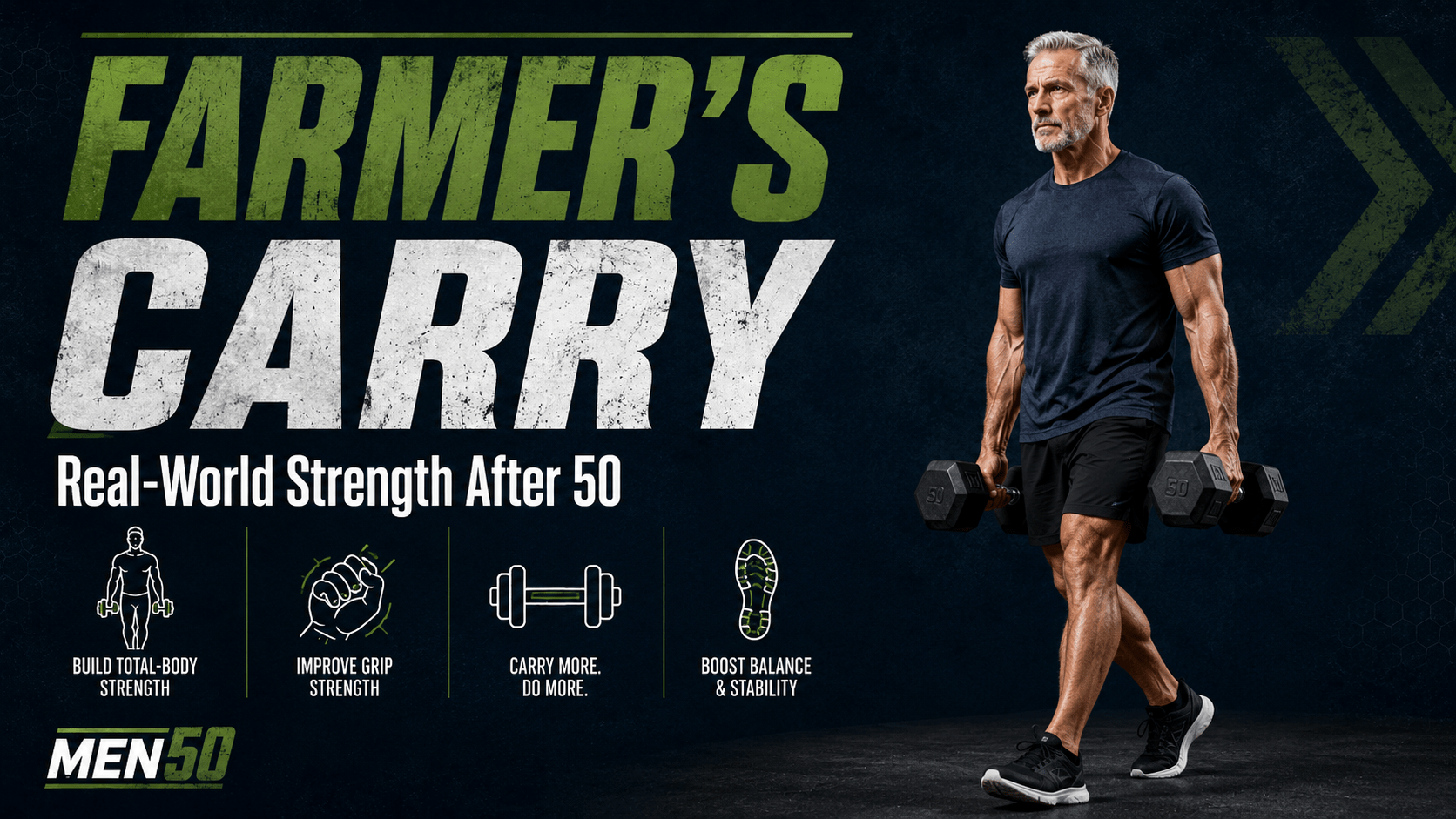
Farmers carry strength after 50

The farmer’s carry is as close to “training for real life” as any exercise gets. Pick up something heavy in each hand, walk with it, set it down. That single pattern trains grip strength, core stability, shoulder posture, and leg endurance simultaneously — and it’s the exact thing you do every time you carry groceries … Read more
Single-Leg Stand for Men Over 50: The Balance Test That Could Add Years to Your Life

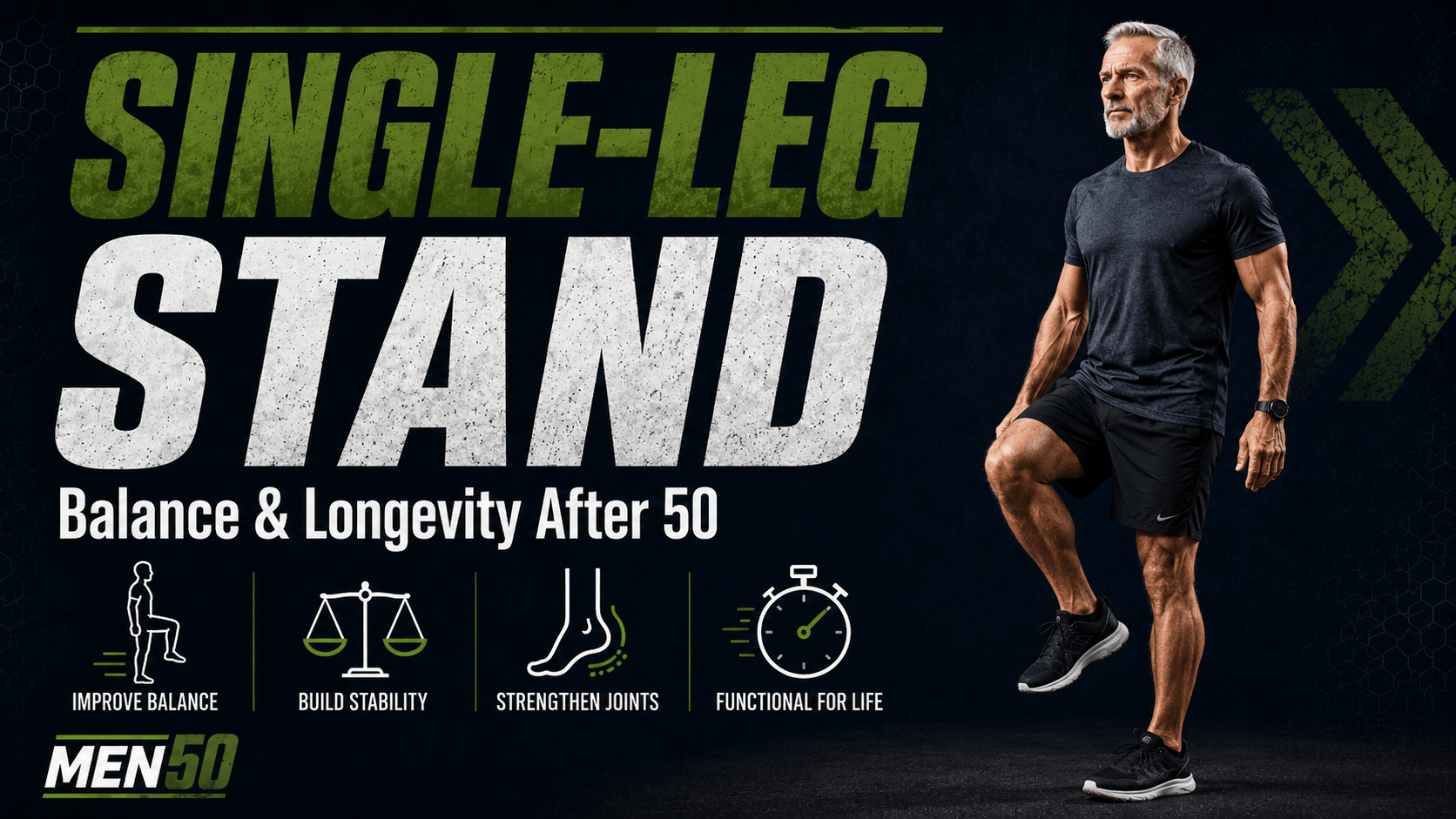
Single-leg balance for strength and stability

The single-leg stand is two things at once: a training exercise and a longevity test. In 2022, researchers led by Claudio Gil Araújo published a study in the British Journal of Sports Medicine showing that adults aged 51–75 who couldn’t stand on one leg for 10 seconds had an 84% higher all-cause mortality risk over … Read more

Dumbbell Row for Men Over 50: Build a Stronger Back and Better Posture

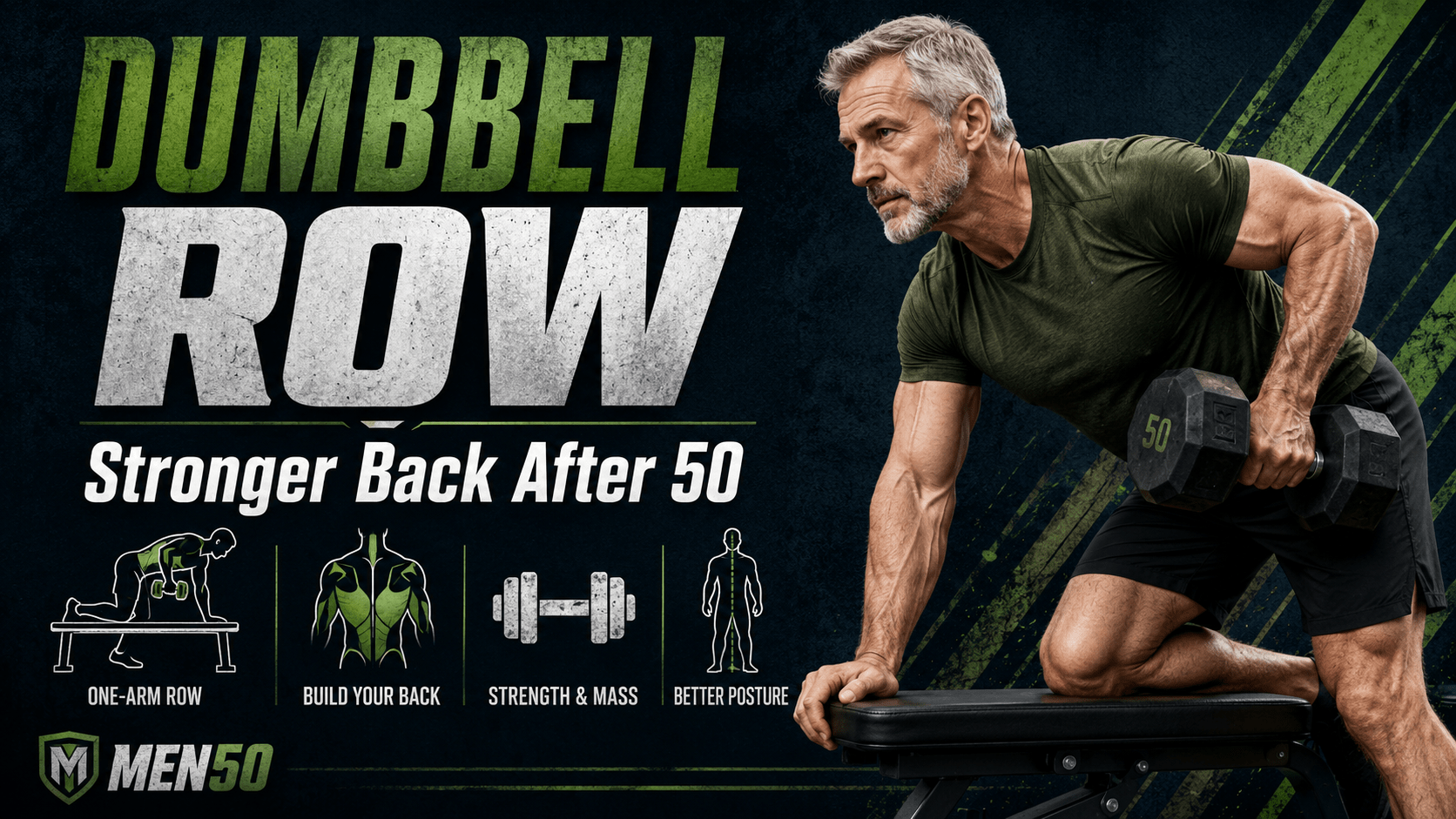
Stronger back after 50 workout

The dumbbell row is the most important pulling exercise most men over 50 are missing from their routines. It builds upper back thickness, strengthens the muscles that pull the shoulders back into healthy alignment, and balances out the pressing work (push-ups, bench presses) that men tend to over-prioritise. If you do any pushing exercise at … Read more

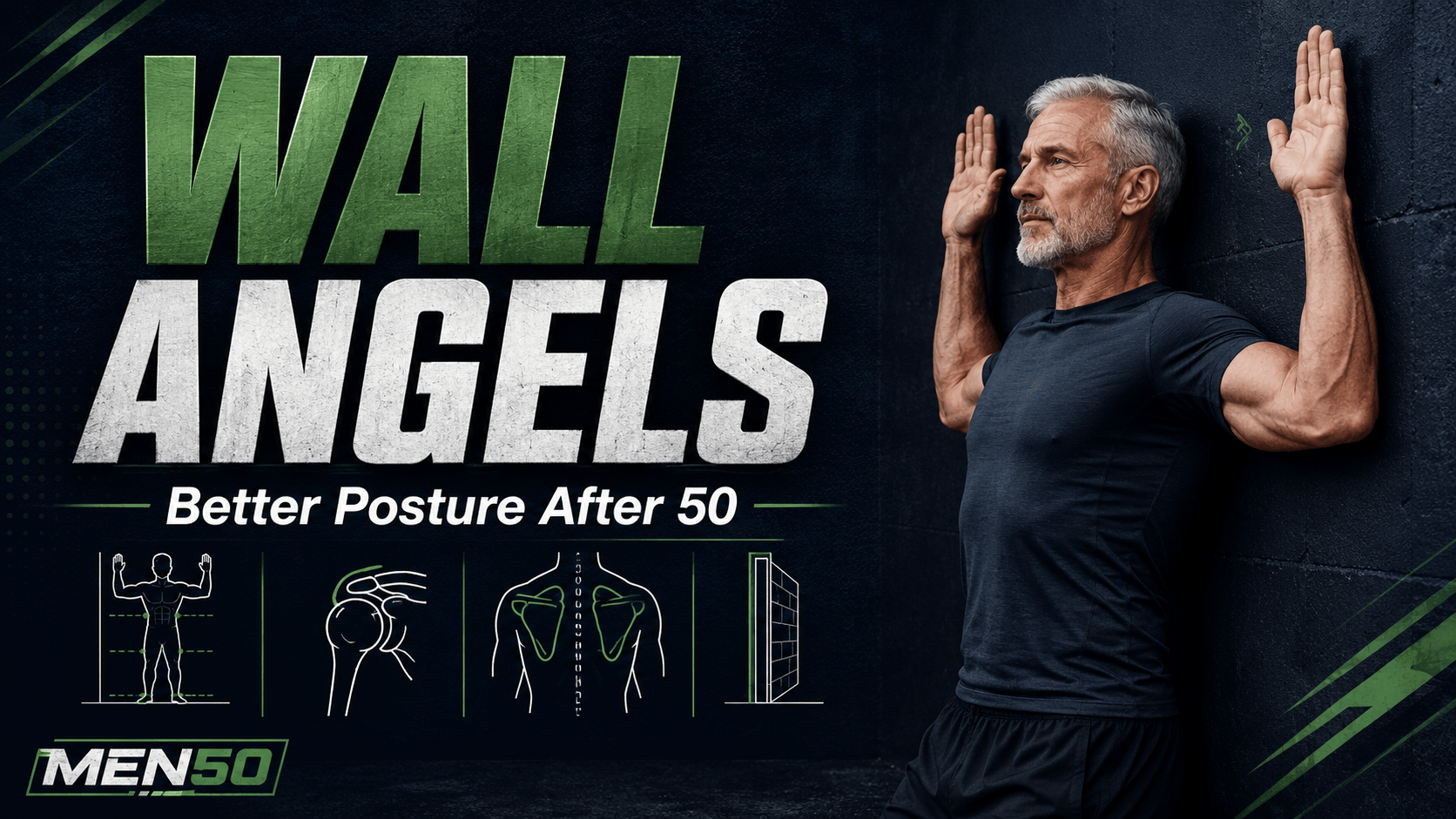
Wall Angels for Men Over 50: Fix Your Posture and Shoulder Mobility in 2 Minutes

Wall angels better posture after 50

Wall angels are one of the most effective exercises for correcting the rounded shoulders and forward head posture that develop after years of desk work, driving, and phone use. For men over 50, this movement directly targets the postural muscles that tend to weaken and tighten with age.

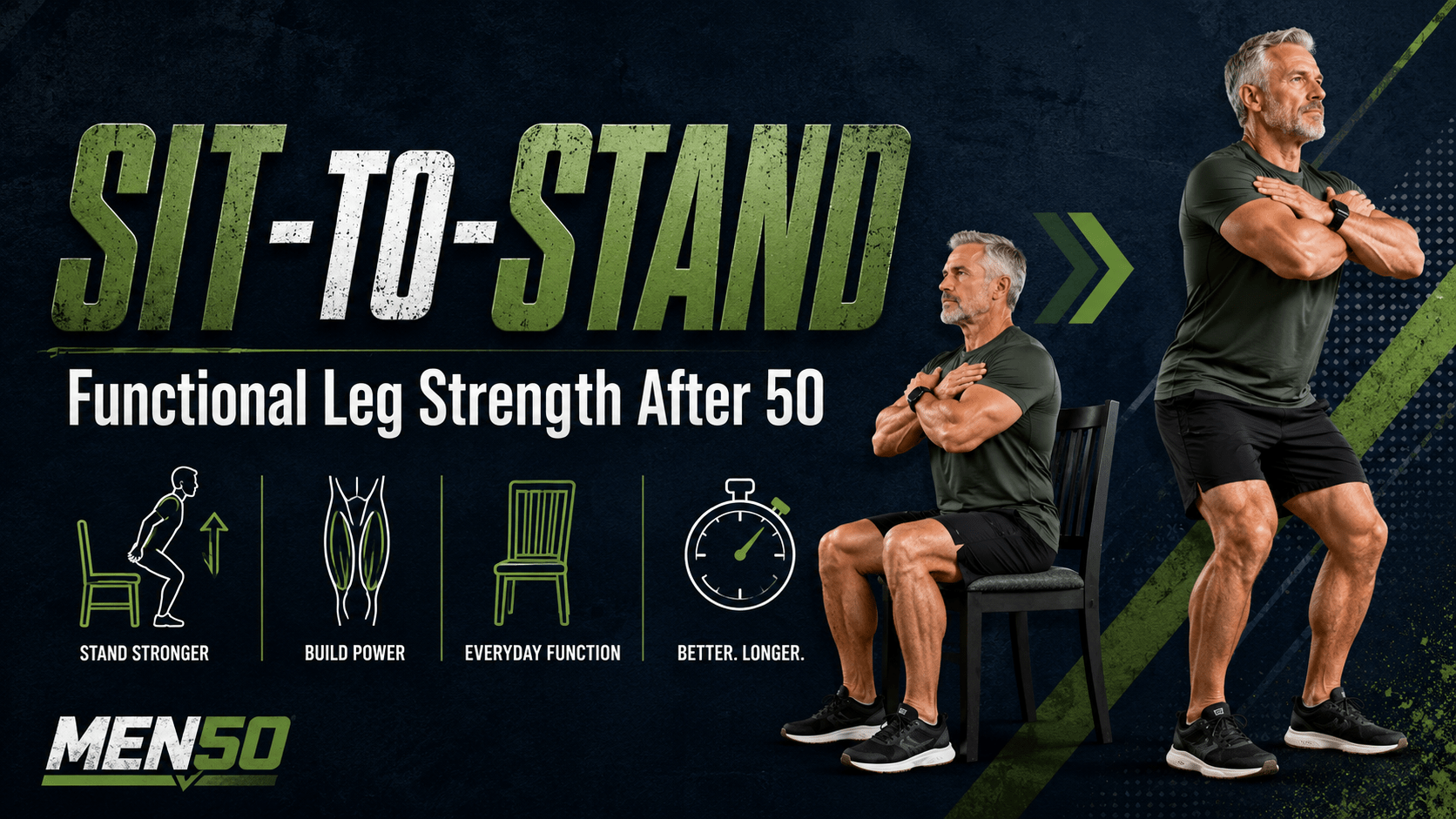
Sit-to-Stand for Men Over 50: The Simple Exercise That Tests and Builds Functional Leg Strength

Sit-to-stand power after 50

The sit-to-stand is one of the most functional exercises a man over 50 can train. It directly mirrors the movement of getting up from a chair — and research shows that how many times you can do it in 30 seconds is a reliable predictor of fall risk and overall functional independence.